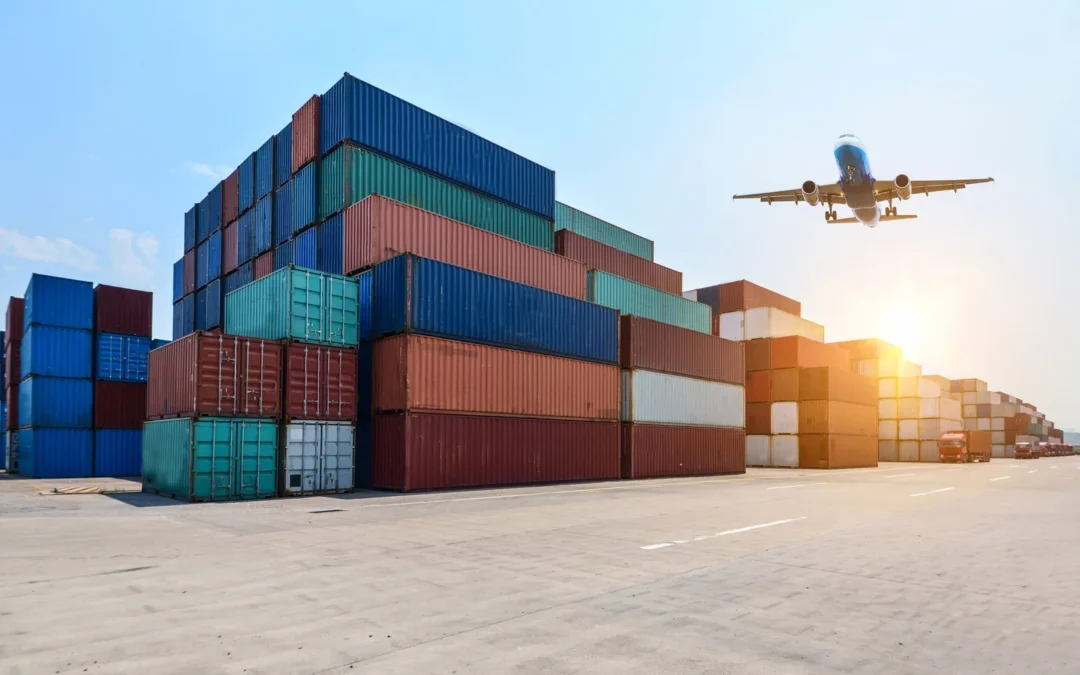
In March 2026, the global economy feels less like a smooth machine and more like a high-stakes game of musical chairs where the rules are suddenly changing. If you have been wondering why your favourite gadgets are getting pricier or why the local petrol pump is making your wallet sweat, you are witnessing the Global Supply Chain War in action. For decades, the world lived by a simple rule of making things wherever they were cheapest, fuelled by an era of Just in Time delivery where a single car part might travel across five countries before reaching the assembly line. Today, that model is rapidly eroding, replaced by a new doctrine of Just in Case. Countries are no longer chasing the lowest price because they are too busy chasing safety and survival in a world where trade has become a tactical weapon.
The Energy Squeeze and the Hormuz Flashpoint
This shift is most visible in the current drama unfolding across energy markets, where as of March 2026, the Strait of Hormuz has re-emerged as a critical global flashpoint. With Brent crude prices volatile near $88 a barrel, the economic ripple effect is immediate and massive (Goodreturns, 2026). When nearly 20% of the world’s oil is stuck behind a maritime chokepoint and commercial traffic has reportedly dropped sharply in response to escalating regional tensions, it acts as a hidden tax on every truck bringing bread to a grocery store and every ship carrying electronics across the sea (World Oil, 2026). For a country like India, which imports over 80% of its oil, these disruptions are not just market news but a direct threat to the national budget, forcing a shift toward more expensive and complex energy routes to mitigate supply risks (UNCTAD, 2026).
Silicon Sovereignty: The New Arms Race
While oil provides the physical energy for the old economy, semiconductors, or chips have become the nervous system of the new one, representing the second major front in this global war. These tiny pieces of silicon power everything from your smartphone to the advanced AI systems that have pushed the global chip market toward a historic trillion-dollar scale this year. Governments have realised that if a rival controls the chip supply, they control the future of innovation and defence, sparking a frantic race for Silicon Sovereignty. Even though building a chip factory in Arizona or Germany is vastly more expensive than in East Asia, nations are now willing to pay a Resilience Tax to ensure their industries never go dark during a geopolitical crisis, which is one factor contributing to persistently high core inflation in 2026.
India’s Strategy: The World’s Primary “Plan B”
India has emerged as a key player in this shifting landscape by positioning itself as the world’s primary Plan B through the China Plus One strategy. The Indian government recently doubled down on this ambition in the February 2026 Union Budget by launching the India Semiconductor Mission (ISM) 2.0 with a specific ₹40,000 crore outlay for electronics manufacturing (Ministry of Electronics & IT, 2026). This mission moves beyond simple assembly, focusing on creating a complete ecosystem for indigenous chip equipment, research, and advanced manufacturing on Indian soil. By training a massive workforce of chip engineers and offering significant fiscal support for manufacturing projects, India is aiming to turn global volatility into a domestic opportunity for industrial growth and technological independence.
Bypassing Risk through New Corridors
This strategy is part of a larger effort to bypass risky trade routes altogether through projects like the India Middle East Europe Economic Corridor (IMEC), which is currently being advanced through high-level discussions in global forums (Windward, 2026). Even as traditional maritime paths face blockades, these new corridors represent a long-term hedge to keep Indian goods moving to European markets, reducing exposure to regional instability. Ultimately, the Global Supply Chain War matters because it hits your pocket every day. When a shipping lane is closed or a country limits exports of critical minerals, we all pay the price for products to be made in safer countries rather than the cheapest ones.
Conclusion
The Future of Connected Power
As we navigate the rest of 2026, the Global Supply Chain War is redrawing the map of world power. The winners may not be the countries with the largest conventional armies, but those with the most secure, diverse, and reliable connections. Economic power is being redefined by “connectography,” the ability to keep the lights on and the chips flowing even when the rest of the world is disconnected. For the consumer, this means the era of “ultra-cheap” may be over, replaced by an era where we pay a premium for stability. In this new world, strategic connectivity is the ultimate superpower, and India’s strategic investments in chips and corridors suggest it aims to position itself at the centre of that new network.
References
- Goodreturns. (2026, March 11). Crude oil price today (11th Mar, 2026). https://www.goodreturns.in/crude-oil-price.html
- Ministry of Electronics & IT. (2026, February 7). Budget 2026-27 announces the launch of India Semiconductor Mission (ISM) 2.0. Press Information Bureau. https://www.pib.gov.in/PressReleasePage.aspx?PRID=2221522
- UN Trade and Development (UNCTAD). (2026, March 9). Strait of Hormuz disruptions: Implications for global trade and development. https://unctad.org/publication/strait-hormuz-disruptions-implications-global-trade-and-development
- Windward. (2026, March 10). March 10, 2026: Iran War maritime intelligence daily. https://windward.ai/blog/march-10-maritime-intelligence-daily/
- World Oil. (2026, March 10). Oil drops 12% as uncertainty surrounds Strait of Hormuz tanker traffic. https://worldoil.com/news/2026/3/10/oil-drops-12-as-uncertainty-surrounds-strait-of-hormuz-tanker-traffic/
Recent Comments